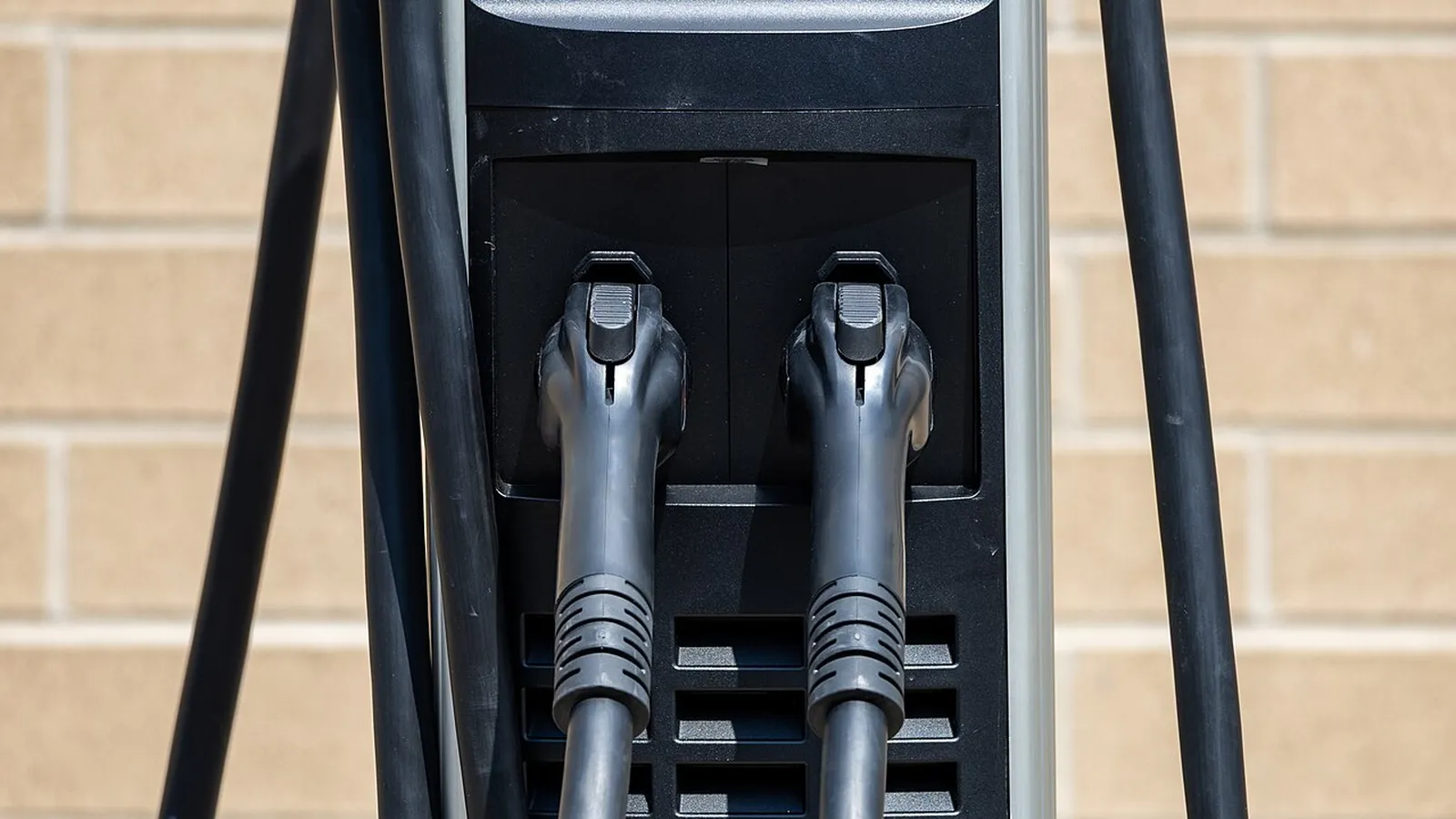
Canadian EV drivers could see a larger federally supported charging network under Budget 2026, released November 5. Ottawa proposes C$587 million over five years, starting in 2027–28, to renew the Zero-Emission Vehicle Infrastructure Program and support more than 55,000 additional chargers. Two related measures bring the proposed charging and fleet-readiness package to C$634.2 million. These are budget proposals, not chargers already installed or a Tesla-specific allocation (Budget 2026, Chapter 1; Finance Canada release).
Where would the charging money go?
The largest part is deployment funding. The budget proposes C$587 million for Environment and Climate Change Canada to renew the Zero-Emission Vehicle Infrastructure Program, with the aim of supporting more than 55,000 additional EV chargers in places where infrastructure is needed most. The five-year funding period would begin in 2027–28 (Budget 2026).
The government describes its ambition as roughly doubling the number of federally supported chargers. That is a funding objective, not a claim that those additional chargers are operating now. The charging section does not announce individual recipients, new site addresses or a provincial split for the proposed additions.
The proposed charger deployment funding begins in 2027–28; it is not a list of stations opening today.
Is all C$634.2 million for installing chargers?
No. The three proposed amounts total C$634.2 million, but they cover different work. Alongside deployment, C$45 million would go to Natural Resources Canada for charging-infrastructure research and development. The budget says this would help bring Canadian charging solutions to market, with affordability, reliability and accessibility among the goals (budget charging measures).
Another C$2.2 million would renew the Greening Government Operations Fleet Program, which carries out readiness assessments for the federal fleet’s transition to zero-emission vehicles. Both measures also run over five years starting in 2027–28. Finance Canada’s key-measures summary rounds the combined package to just over C$634 million.
How many of these chargers are coming to Ontario?
The new-funding section does not provide that breakdown. It does include a separate table of chargers supported by existing ZEVIP funding: 58,874 in operation or planned nationally by 2028–29, including 23,802 in Ontario. Its footnote explicitly excludes proposed Budget 2026 funding (existing-program table). Those Ontario chargers must not be presented as the province’s share of the new proposal.
What changes for Tesla owners and buyers?
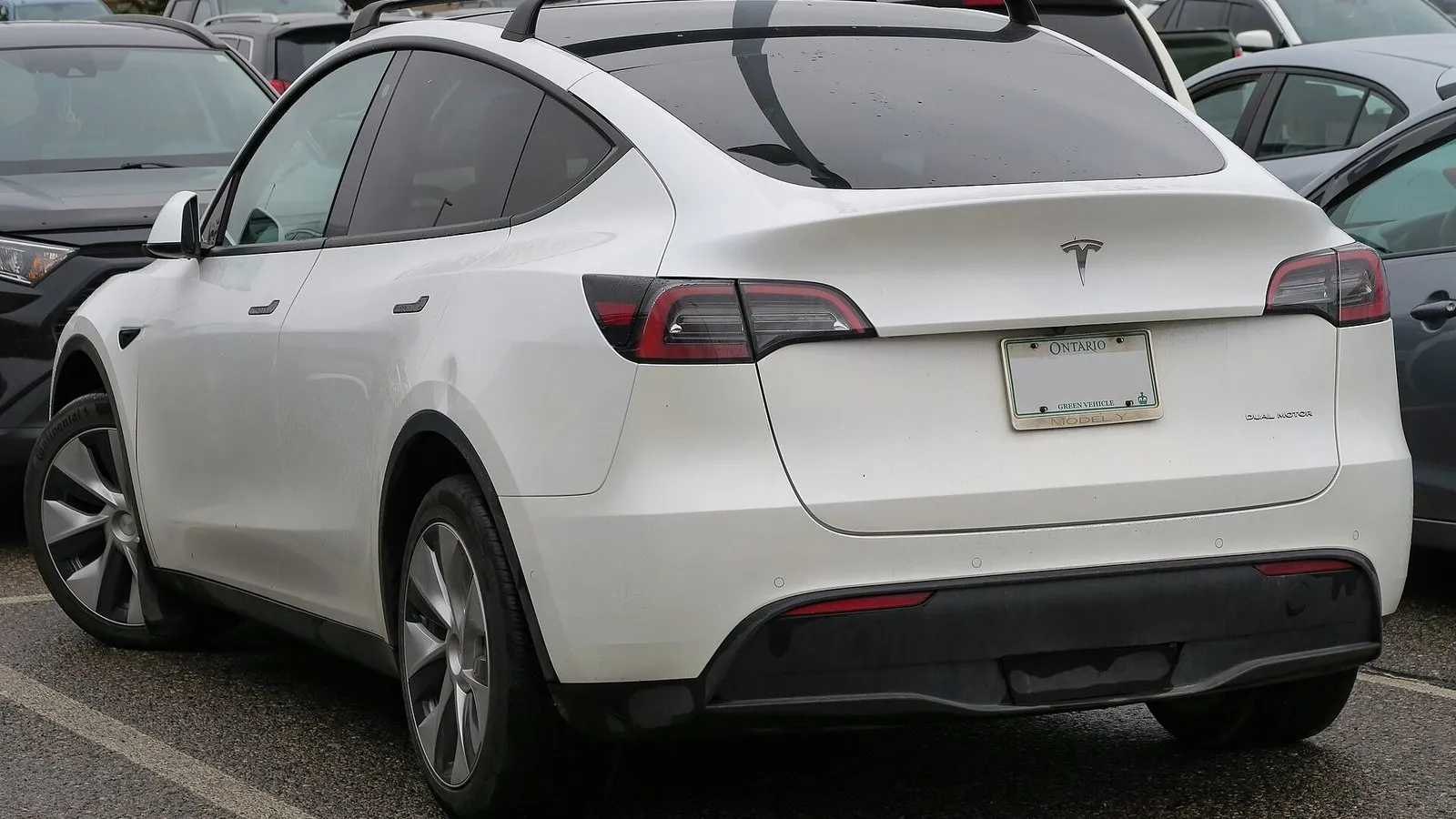
This is a national infrastructure proposal, not an announcement of Tesla Supercharger sites. The cited section does not identify Tesla as a recipient or specify how many of the proposed chargers would be fast chargers. It therefore does not establish a new Supercharger stop for an Ontario road trip.
It is also separate from a vehicle purchase rebate. Transport Canada’s current EVAP page still says incentive amounts drop on January 1, 2027, based on the year the dealership submits the eligibility assessment. For practical planning, see our Canadian EV rebates guide, Supercharger cost guide, Level 2 charging guide and ownership guides.