Tesla's driver-assistance fleet has crossed another round number. When we checked Tesla's FSD (Supervised) Vehicle Safety Report at about 5:50 p.m. Eastern on Monday, November 2, 2026, its counter read 17,010,788,595 miles driven, including 6,760,295,361 city miles.
What does the 17 billion figure measure?
It's the total distance Tesla says customer cars have driven with FSD (Supervised) engaged since 2020. The number sits at the top of Tesla's FSD (Supervised) Vehicle Safety Report. When we read the page on the evening of November 2, it showed 17,010,788,595 miles driven, which works out to about 27.4 billion kilometres. A second counter showed 6,760,295,361 city miles, about 10.9 billion kilometres, or roughly 40 per cent of the total.
Two caveats come straight from Tesla's footnotes. The counters "increment at the average rate of Tesla fleet mileage per second", so the number on screen is Tesla's running estimate between data updates, not a live odometer. And the report "excludes data from China". Tesla doesn't say on the page exactly when the total passed 17 billion.
Tesla's FSD (Supervised) Vehicle Safety Report: 17,010,788,595 miles driven.
How does Tesla collect the data?
According to the report's methodology, each car sends an anonymized mileage packet to Tesla when it's shifted into Park, recording how far it drove under each control type and road class. Collisions are flagged from vehicle telemetry: an airbag or other restraint firing counts as a "major" collision, and a sharp change in speed without a deployment counts as "minor". If FSD (Supervised) was on at any point in the five seconds before a crash, Tesla counts the crash against FSD. The collision comparisons on the page use U.S. data, and Tesla says it refreshes them each quarter using the latest 12 months.
Where does Canada fit?
Tesla's report lists Canada among 17 markets where FSD (Supervised) has rolled out, alongside the U.S., Mexico, Puerto Rico, Australia, New Zealand, South Korea and ten European countries. Tesla doesn't break the mileage out by country, so there's no official figure for how much of the 17 billion was driven on Canadian roads. FSD (Supervised) still needs an attentive driver; it doesn't make the car autonomous.
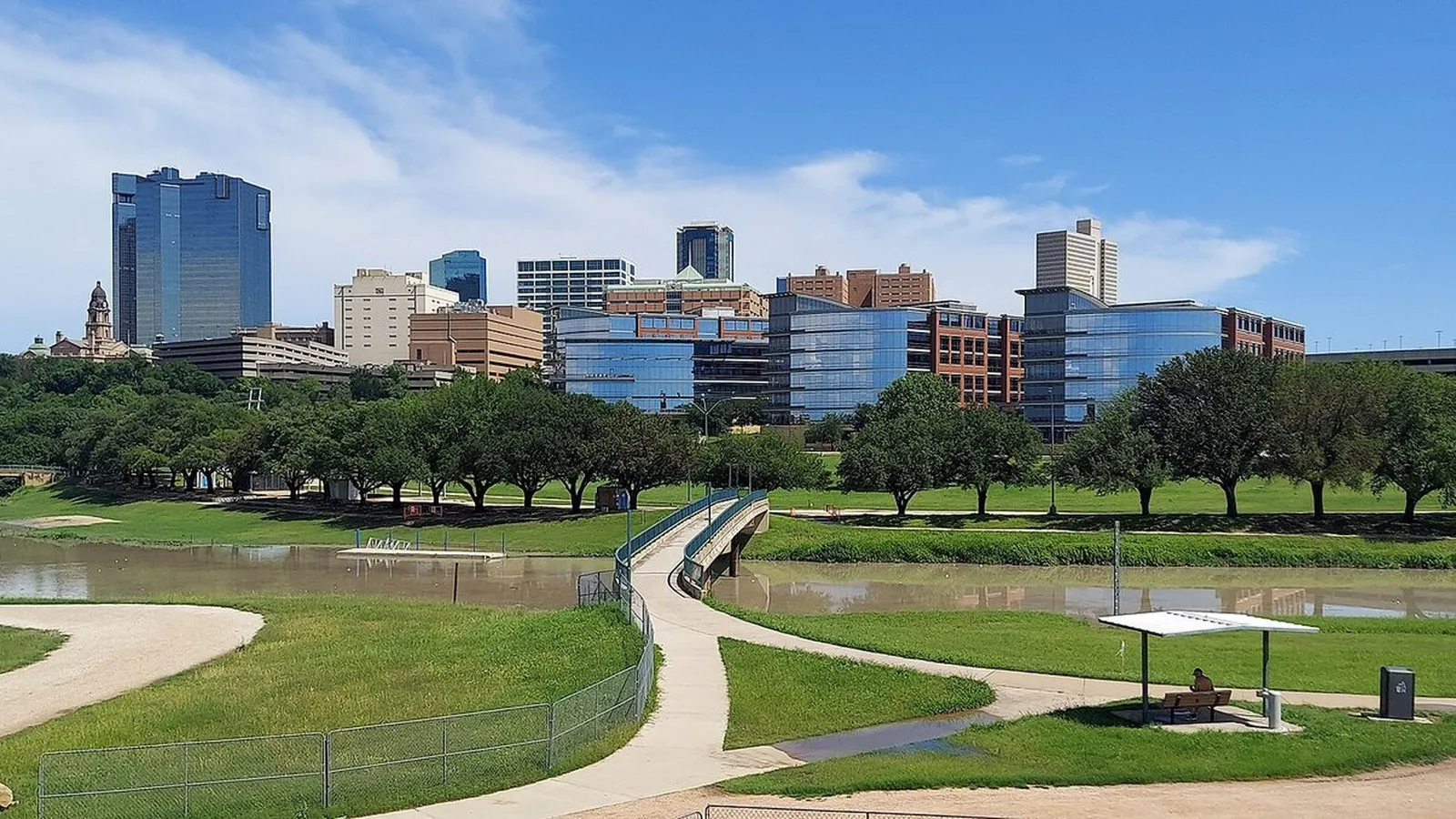
For how the system works here, see our FSD in Canada guide. For Tesla's driverless service in the U.S., read our story on Robotaxi's Fort Worth launch.