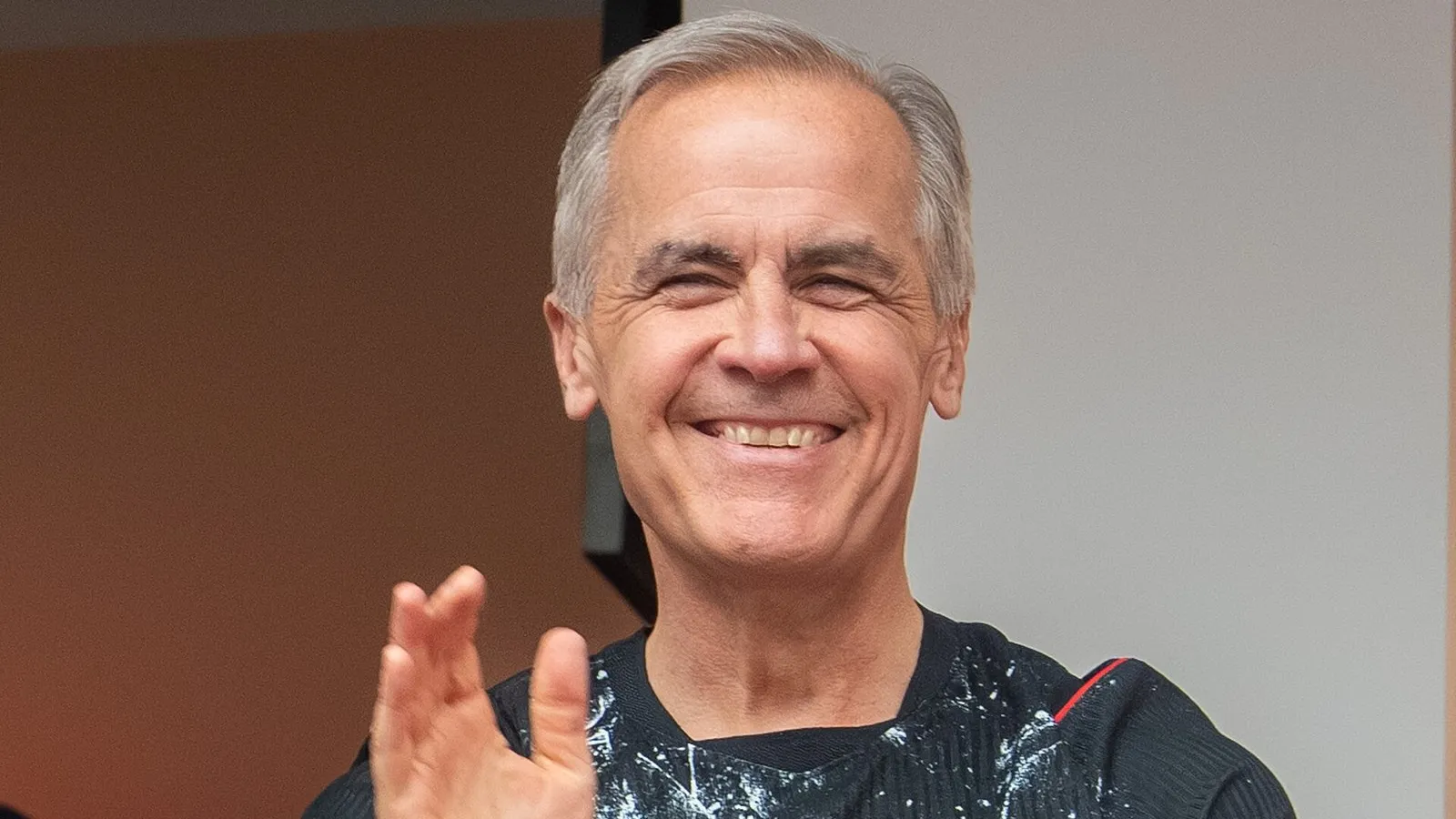
Canada's deal letting Chinese-built EVs in at a lower tariff is capped and isn't about to grow, Prime Minister Mark Carney said on November 18, 2026. Joining Andrew Ross Sorkin at The New York Times DealBook Summit from China, where he was introduced as attending the APEC meeting, Carney said of the arrangement: "It's less than 3% of our market. It's basically going to sit there for the next few years. That's our deal with China" (New York Times video, from about 17:23).
What did Carney say about the China EV deal?
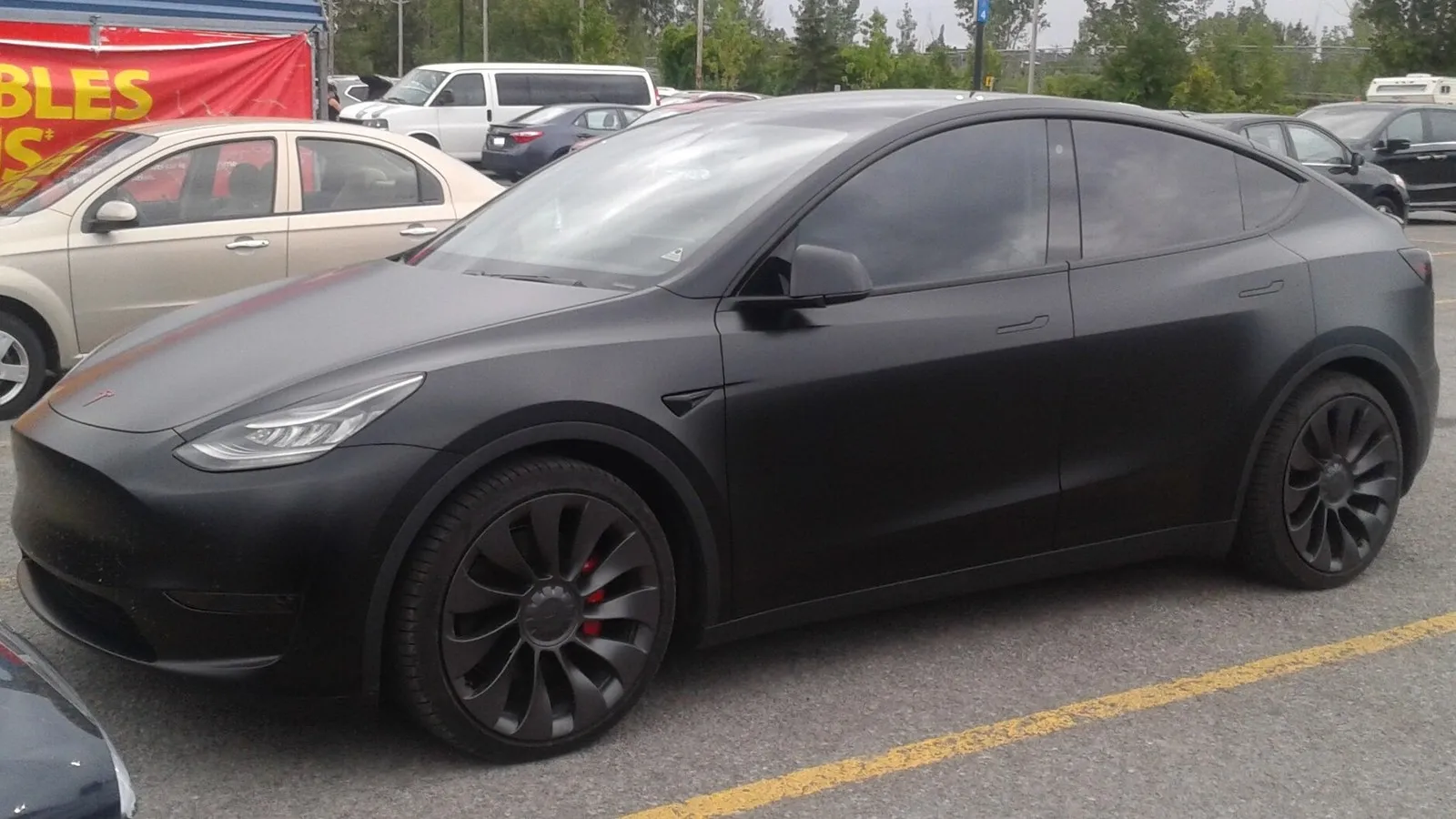
Sorkin asked about cars, calling it "a biggie." He said Canada cut tariffs on Chinese-made electric cars "from 100% to 6%," and that "one of the first companies to really use that opening was Tesla," building those cars in China and exporting them into Canada. He then asked Carney about Chinese cars "ultimately potentially" getting to the U.S. (New York Times video, from about 17:23).
Carney said Canada had been importing about 49,000 cars from China before it put "punitive tariffs on Chinese cars matching the US." When Canada dropped the tariff, he said, "what we said to China when we dropped the tariff from 100 to six MFN rate was that's only for 49,000. Above that there's a hard cap because the tariff is there. So effectively we've capped them." He said the deal is "less than 3% of our market" and is "basically going to sit there for the next few years."
Mark Carney on the China EV deal: "It's less than 3% of our market. It's basically going to sit there for the next few years."
What do the federal numbers show?
Global Affairs Canada's November 16 backgrounder says the January arrangement set an initial quota of 49,000 EVs from China at a 6.1% most-favoured-nation tariff, and that 16,211 EVs have come in under it since March 2026. The department's quota report, last updated November 13, 2026, shows 32,789 remaining in the quota year that ends February 28, 2027. The report doesn't name automakers, so it doesn't show how many of those vehicles are Teslas.
What did he say about his Tesla?
Carney said that before 2024, "it was the market that was determining what was coming into Canada. And they were all Teslas then. In fact, I bought one of them." He told Sorkin, "I don't have it anymore. Sorry, Elon," and said he "didn't get the resale value for it that I thought I would." He then added: "Well, I got a new job and I'm not allowed to drive anymore. That's actually what happened." He didn't say which Tesla model he had or when he stopped owning it.
What about the wider auto market?
Carney said the bigger question is "what is going to happen to the North American auto market," and that it won't be competitive if it's "all repatriated into the United States" without Canadian and Mexican parts. "We are way behind in North America relative to China," he said, putting Europe in the same position and adding that Canada needs "a willing partner in the United States" (NYT video). For background, see our stories on the second China-based automaker importing EVs and the Model 3 Premium order pause.