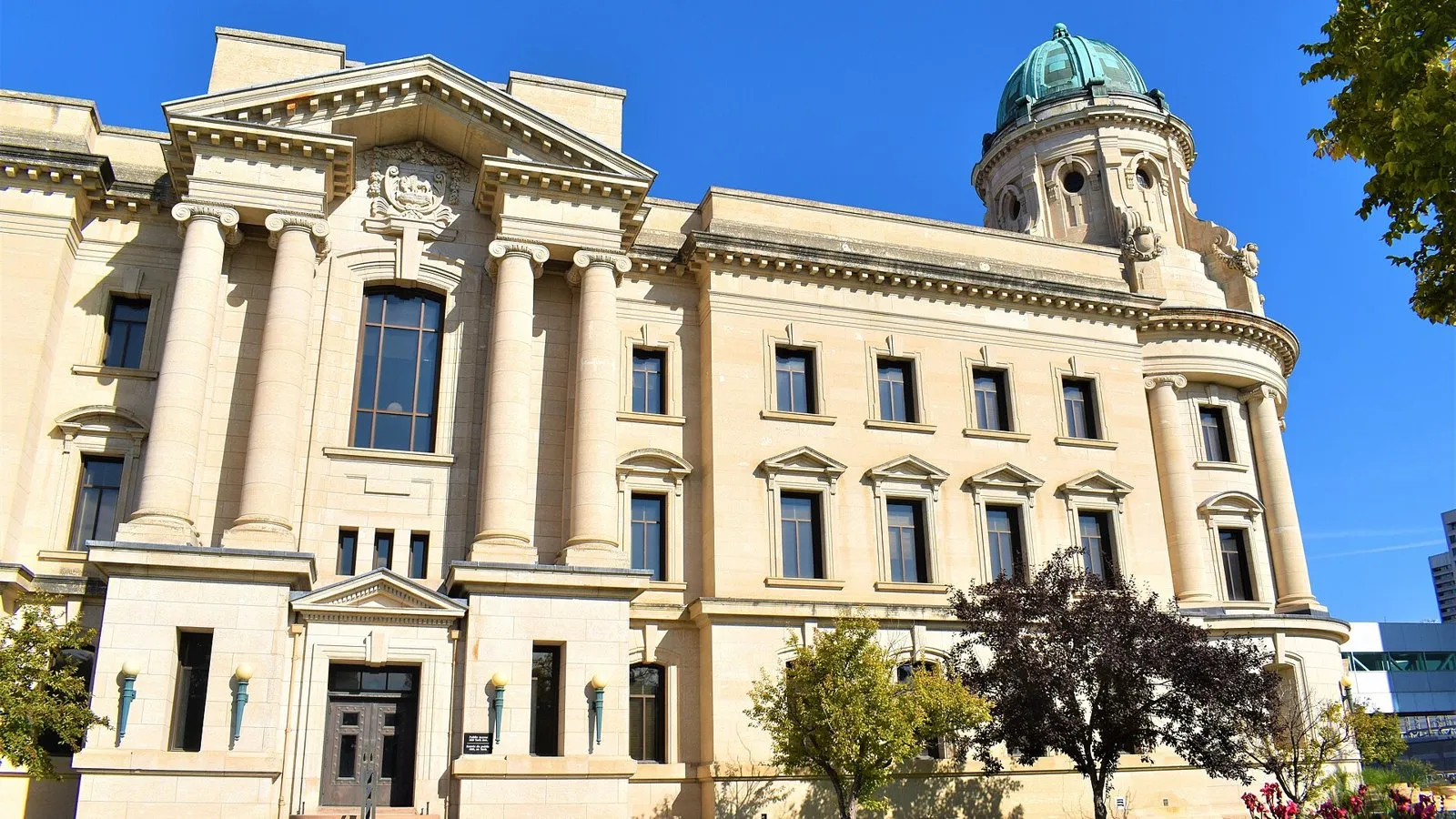
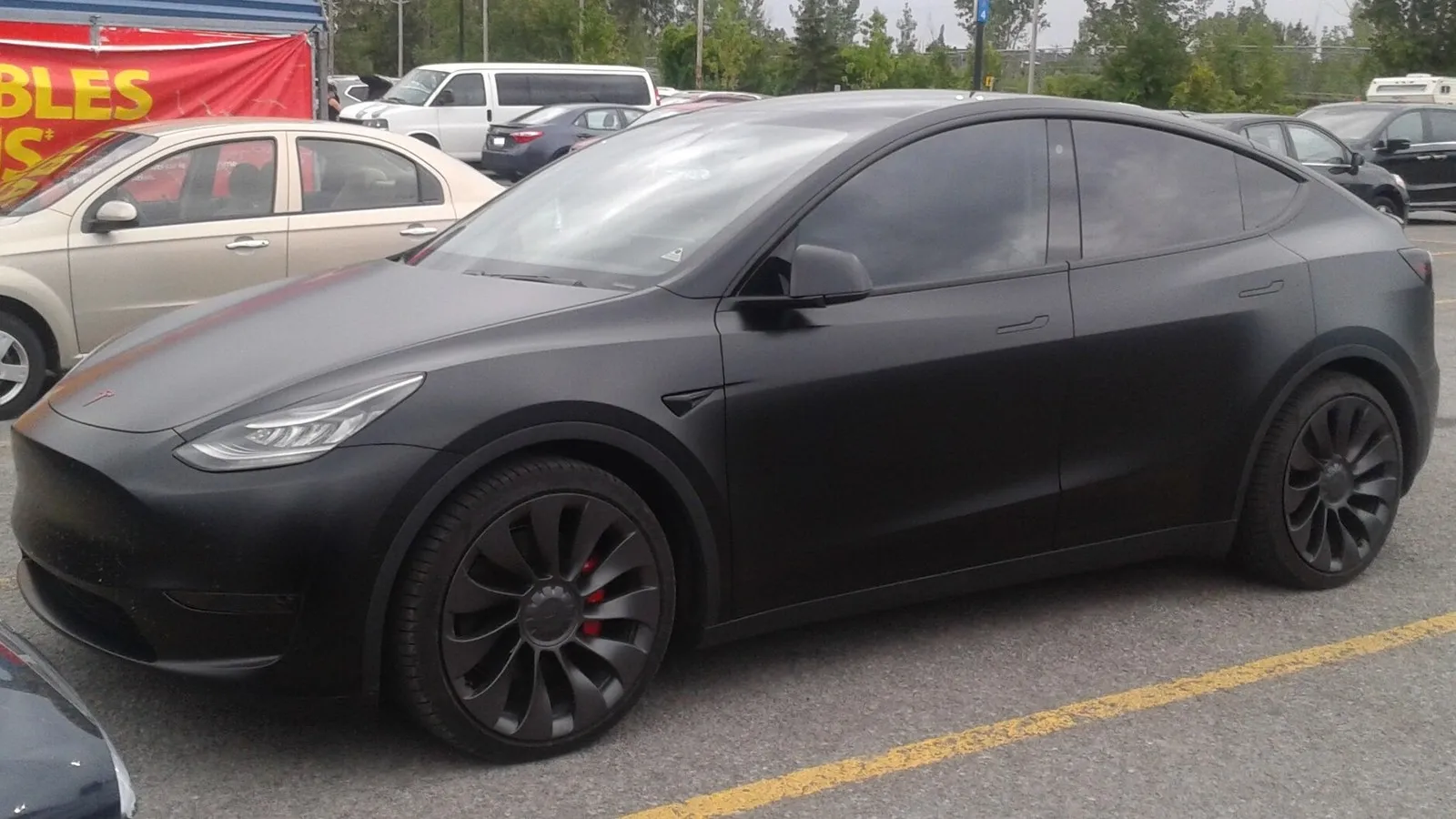
Manitoba has been ordered to say, in an affidavit, who decided to cut Tesla vehicles out of its EV Rebate Program. In reasons for judgment delivered November 13, 2026 (Tesla Motors Canada ULC v. The Government of Manitoba et al., 2026 MBKB 160), Justice Neville of the Court of King's Bench ordered the province to produce, within 10 days, a complete record of the decision, attached to an affidavit that details "who made the decision (or decisions) to exclude Tesla vehicles from the EV Rebate Program."
What did the judge order?
According to the reasons for judgment, the province must, within 10 days of the decision, produce a complete record of decision attached to an affidavit from "a person with knowledge of the matter." That affidavit must confirm the complete record relied on by the decision-maker has been filed, and detail who made the decision (or decisions) to exclude Tesla vehicles, the documents or other information the decision-maker considered, and any privilege claimed over them (para. 59).
The judge found the record the province had filed was "insufficient to adjudicate the merits of the application (as well as the motion to strike)" (para. 8). That record was six documents: the 2025 Budget, the 2025 Budget Speech, the program agreement with Manitoba Public Insurance, an amending agreement and two letters to MPI (para. 16).
Justice Neville: "Like the applicant, I find it highly improbable that the Tesla exclusion decision was made contemporaneously with the Minister of Finance’s delivery of the 2025 Budget Speech."
Why does it matter who made the call?
The province has moved to strike Tesla Canada's application, arguing the exclusion was a non-statutory policy decision made under the government's spending power and isn't subject to judicial review. The ruling notes the province makes that argument "notwithstanding that they have refused to identify which government entity or official was responsible for making the decision" (para. 3).
The judge wrote: "Like the applicant, I find it highly improbable that the Tesla exclusion decision was made contemporaneously with the Minister of Finance’s delivery of the 2025 Budget Speech" (para. 37). The judge also agreed with Tesla Canada that "governments cannot rely on what may be an opaque process as a means of shielding the material considered by the decision-maker" (para. 38). If any of the record is covered by Cabinet or other privilege, the ruling says it's open to the province to say so, and for the court to rule on any challenge (para. 38).
What is Tesla Canada arguing?
Per the ruling, Tesla Canada seeks review on several grounds, including that it was owed and denied procedural fairness and that the decision was made for an improper purpose, inconsistent with the program's objectives (para. 2). The court hasn't ruled on those arguments. The province's motion to strike, and its alternative bid to dismiss the case for delay, were adjourned to be heard with the merits (para. 21).
Tesla Canada had also named MPI, which administers the program, but dropped its application against MPI after accepting that MPI didn't make the decision (para. 2, footnote 1).
What happens next?
Tesla Canada can cross-examine the affiant within 10 days of getting the record, and then decide whether it still wants to examine Deputy Minister Jocelyn Baker (para. 59). The court registry shows the judicial review set for December 22, 2026. The ruling does not decide the merits of Tesla Canada's application, including whether the exclusion is lawful. For other incentives, see our EV rebates in Canada guide.